Our Services
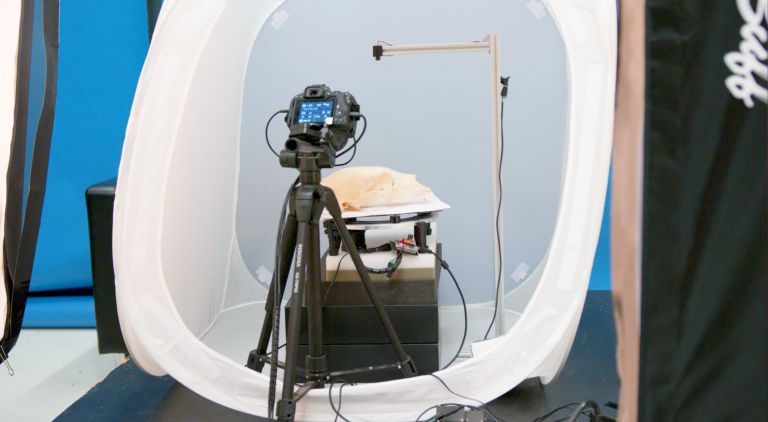
Photogrammetry is the conversion of a physical object to a 3D digital form which the user can interact. By photographing the object from multiple angles, a computer is able to use the photographs to reconstruct a virtual model.

Volumetric Capture is the use of a camera array to capture moving object in 3D, where the user can interact with the video as if they are physically present in that space.
How it’s being used?
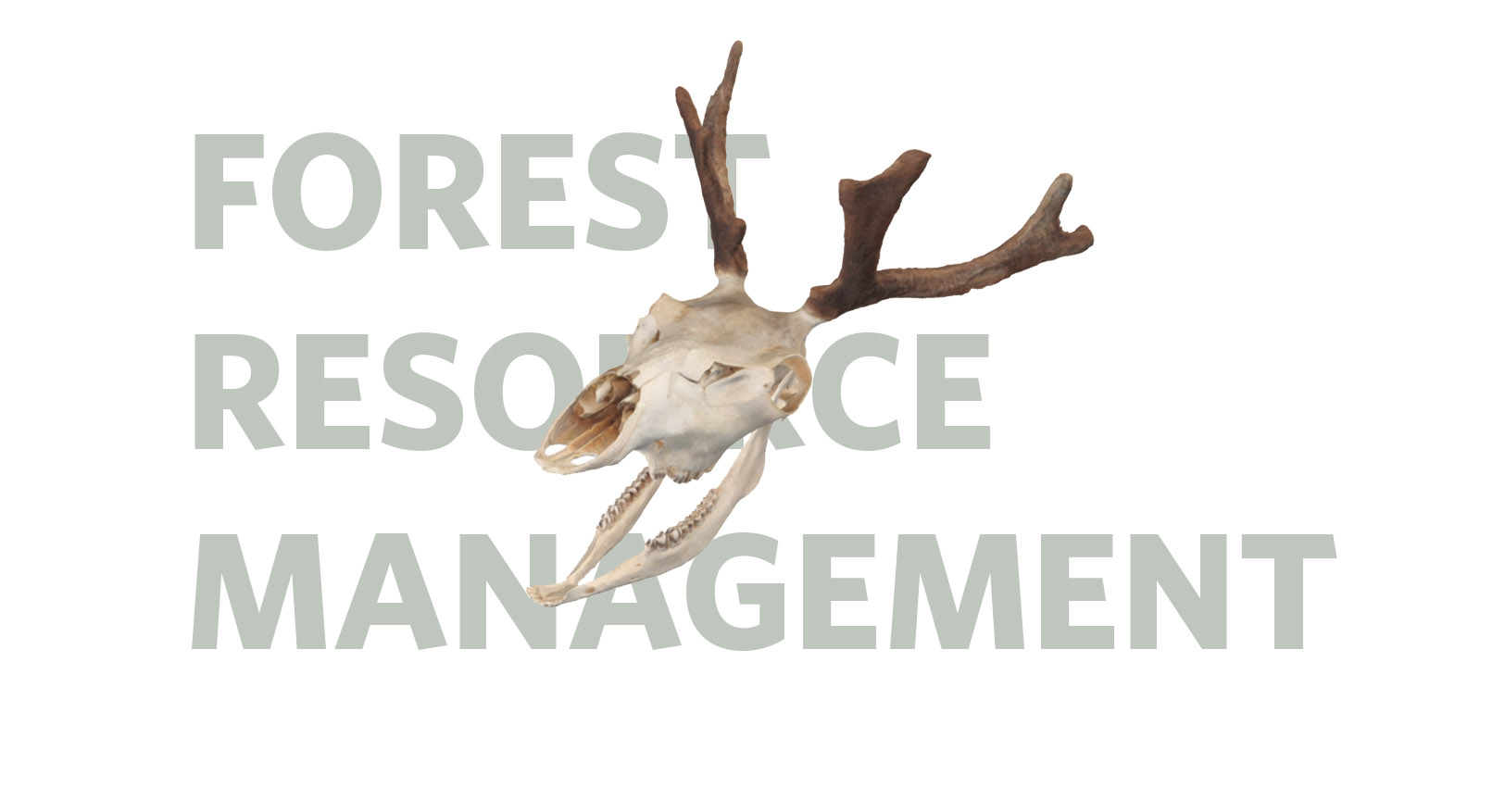
Delve into how Dr. Cole Burton from UBC Forestry uses 3D models of various animal skulls to increase accessibility in learning.
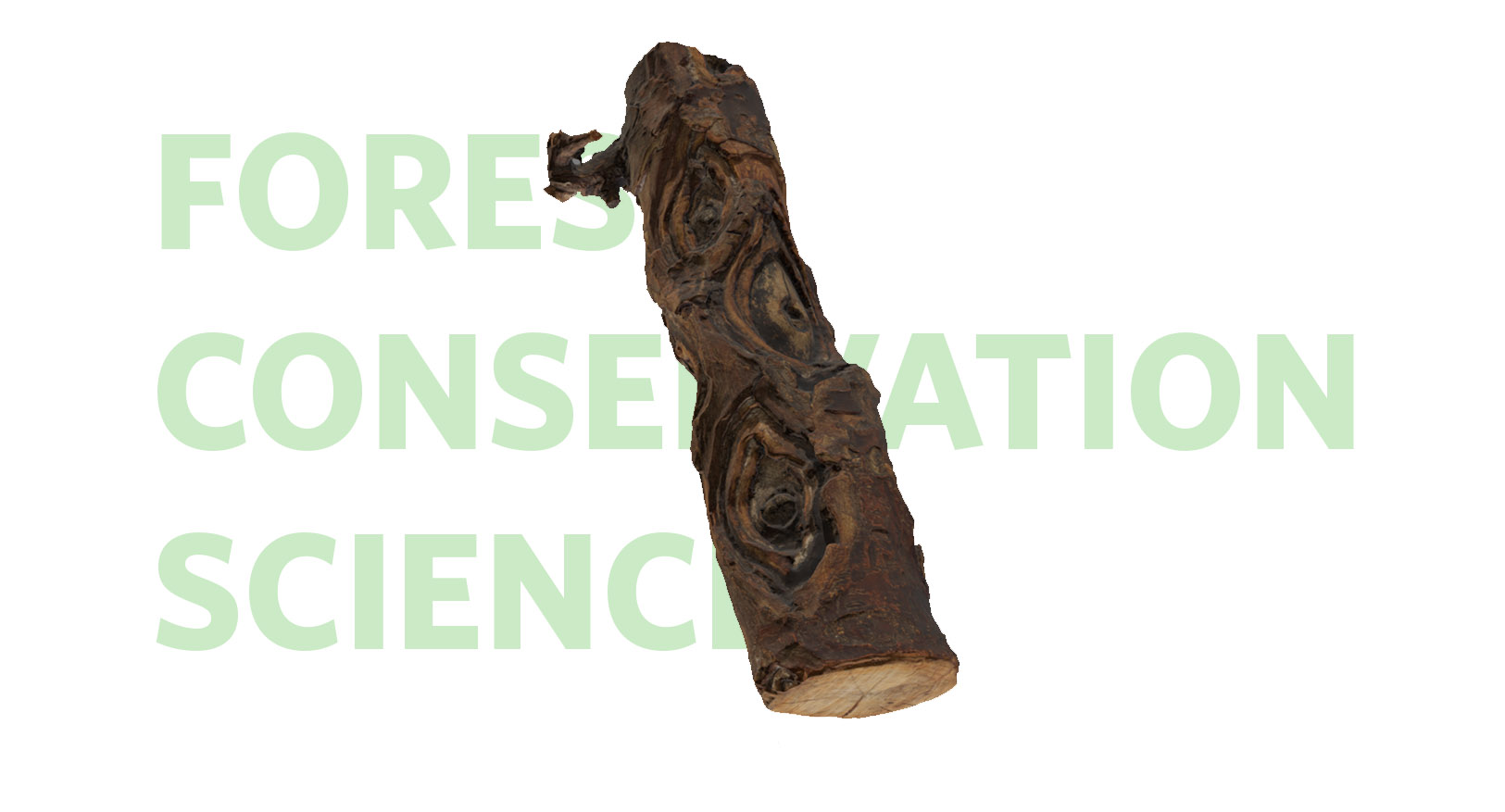
Discover how Dr. Richard Hamelin from UBC Forestry uses 3D models of diseased tree samples in his course.
✓ Check out readily available 3D resources on the web.
✓ Have questions? Email us at support.3d@ubc.ca
WHY CHOOSE 3D?
SPATIAL UNDERSTANDING
Facilitates spatial understanding of objects and systems challenging to achieve through images
SIMULATED ACCESS
Provides simulated hands-on access to fragile or rare artifacts through 3D models
INVESTIGATION
Provides multiple students unlimited time to study and investigate a specimen
THOROUGH EDUCATION
Provides an “up close & personal” view of a specimen with a large group of students at the same time.
Testimonials
Richard Hamelin | Forest and Conservation Sciences
3D models first implemented in September 2020. Students have unlimited virtual access to examine tree specimens which traditionally were only available during the lab session
[read more]
.

Cole Burton | Forest Resources Management
3D models first implemented in September 2020.
Students in this 150-seat course have equal virtual access and ample time to examine animal skulls up close
[read more].